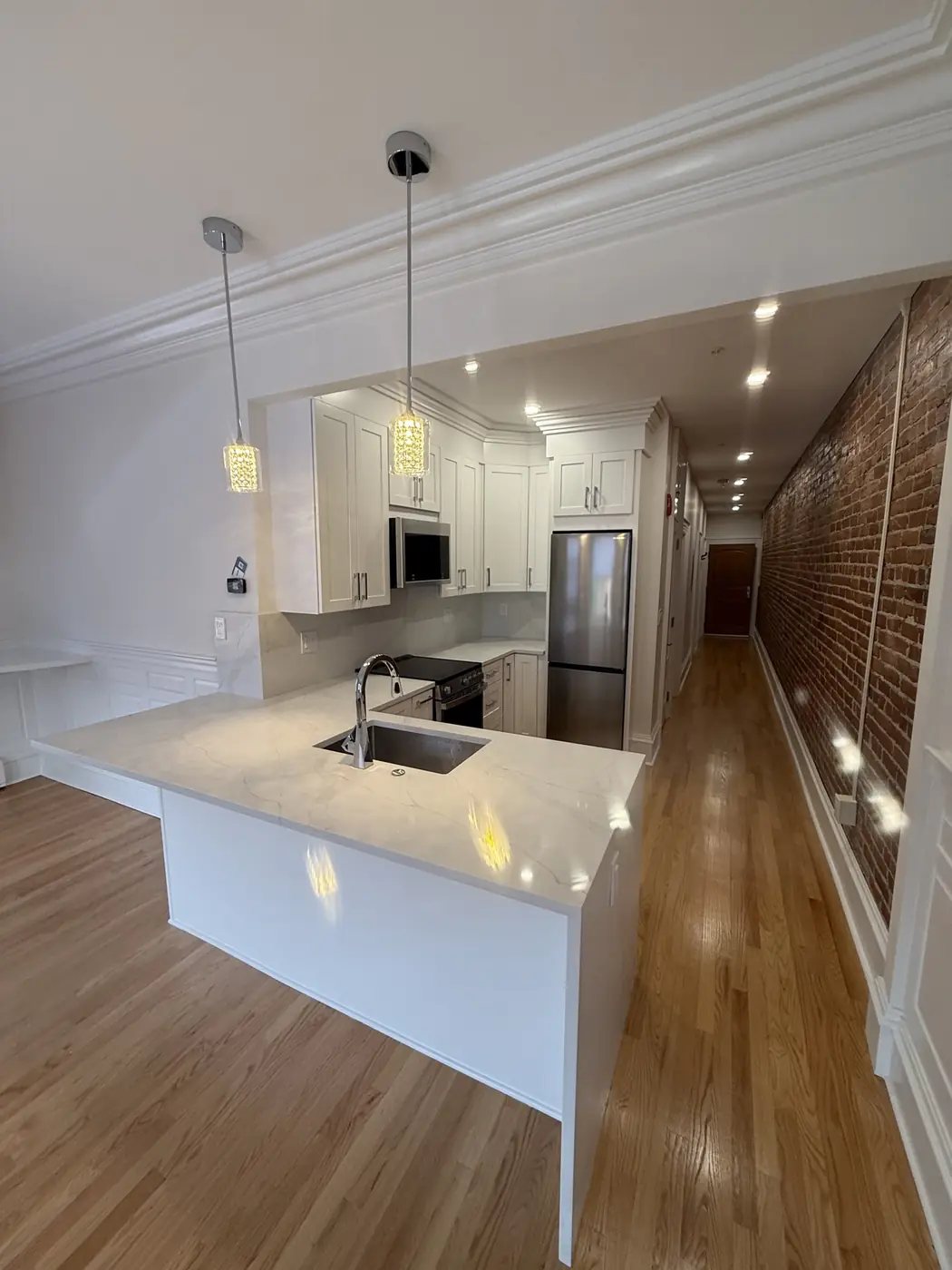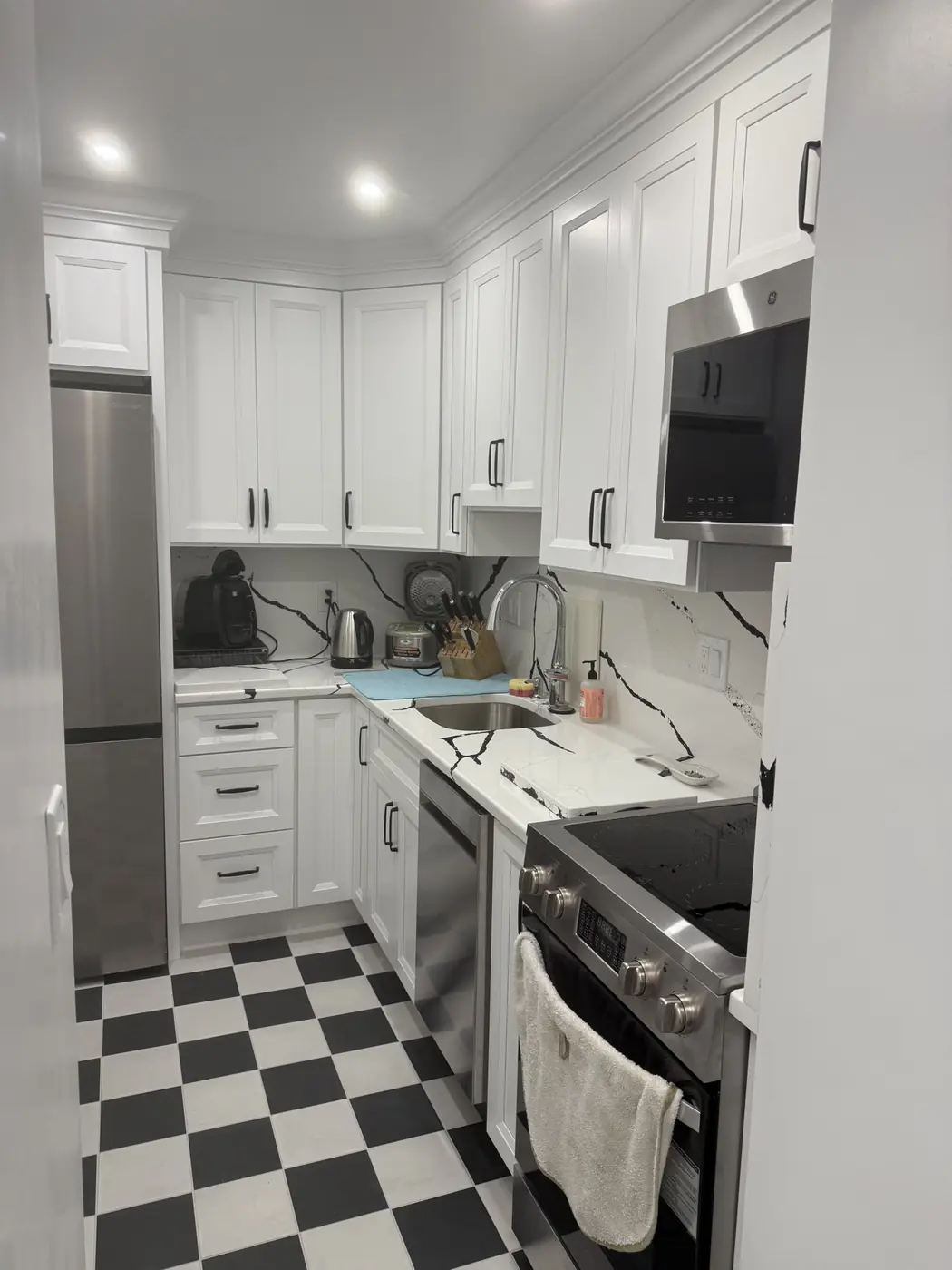
The short version
- The schedule is set by the longest lead items: usually cabinets and stone countertops. Choose them first.
- Countertops are measured after the base cabinets are installed, so there is always a gap between cabinets and counters.
- Inspections happen before walls close. Plan for them.
- A cabinet-and-counter replacement on the same layout moves much faster than a full gut.
Before demolition: the part that sets the schedule
The most common reason a kitchen takes longer than expected is not the construction. It is waiting for something that was ordered late. Before demolition starts, you want the layout settled and the long-lead items chosen and ordered:
- Cabinets, which can take weeks to arrive depending on the line.
- Countertop material, picked and reserved, even though the counters are measured later.
- Appliances, because their sizes drive the cabinet layout.
- Sink, faucet and lighting, so the plumber and electrician rough them in at the right spots.
- Tile for the backsplash and floor.
If a building permit is needed, it is applied for in this stage too. Your town decides how long that takes.
Decisions to make before demolition day
Every one of these, decided late, can stop the work while the crew waits. Use it as a checklist:
- Final layout, including where the sink, range, refrigerator and dishwasher go.
- Cabinet line, door style, finish and interior storage (pull-outs, trash, pantry).
- Countertop material and edge profile.
- Sink type: undermount, farmhouse or drop-in, because it affects the cabinet and the countertop.
- Faucet, garbage disposal and any water filter.
- Appliances, with their exact model numbers and installation specs.
- Range hood and where it vents.
- Lighting: recessed, pendants over an island, under-cabinet.
- Outlet locations, including inside a pantry or an appliance garage.
- Backsplash tile and how high it goes.
- Flooring, and whether it runs under the cabinets or stops at them.
- Cabinet hardware.
The order of work
Protection and demolition
Floors and the rest of the house are protected, dust is contained to the work area, and the old kitchen comes out.
Framing and repairs
Walls are moved or opened, and anything found behind them is fixed: rot, uneven floors, old patches.
Rough-in
Plumbing, electrical and ventilation are run to their new locations.
Inspections
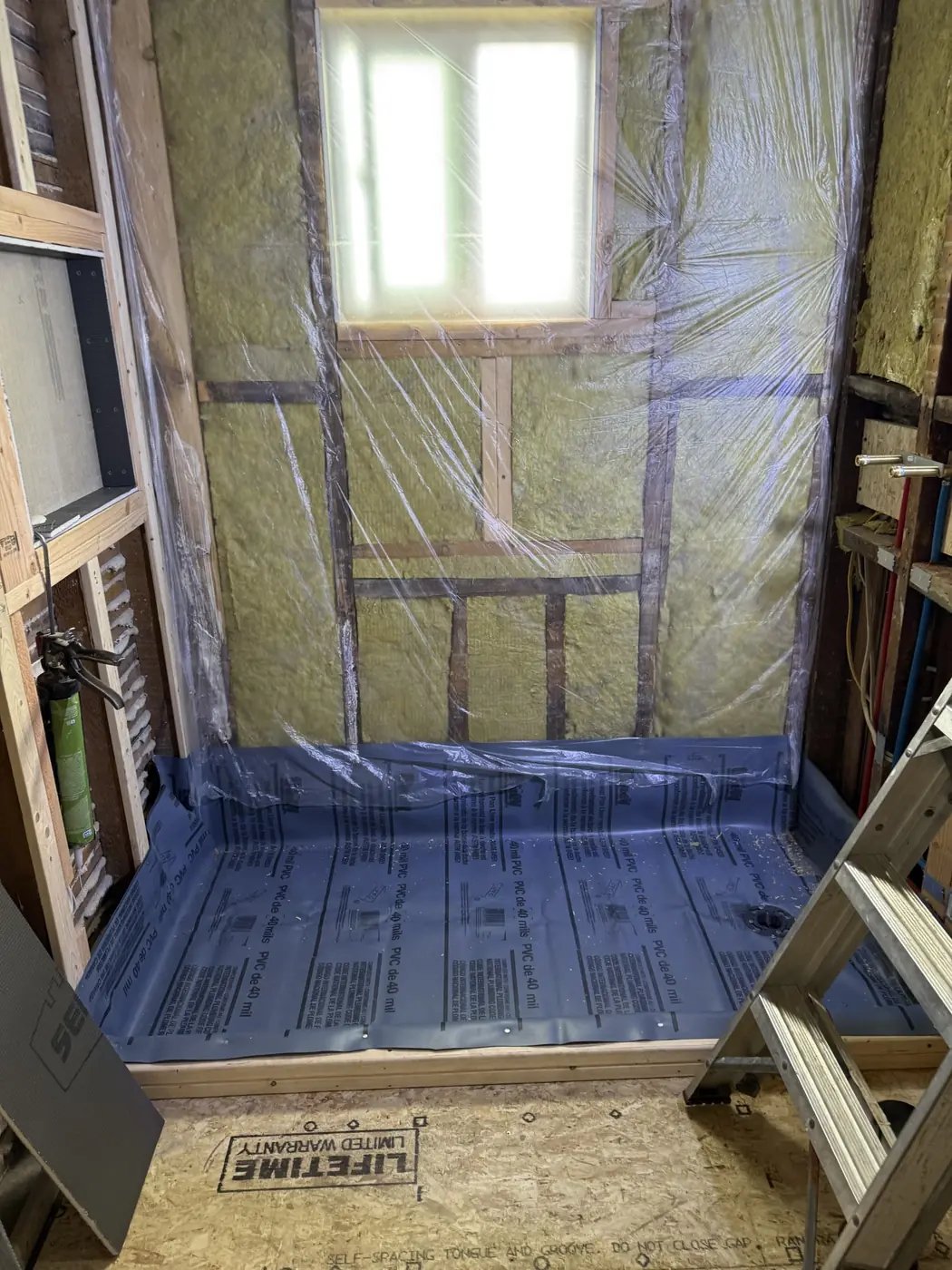
The rough work is inspected while the walls are still open.
Insulation and drywall
Walls are insulated where needed, closed up, taped and prepared for paint.
Flooring
Depending on the material, the floor goes in before or after the cabinets.
Cabinets
Base and wall cabinets are set level and fastened, even on walls that are not straight.
Countertop template and install
Stone and quartz tops are measured on the installed cabinets, fabricated, then installed.
Backsplash, fixtures and appliances
Tile, sink, faucet, lights and appliances go in.
Trim, paint and walkthrough
Final carpentry, paint, and a walkthrough together to catch anything that is not right.
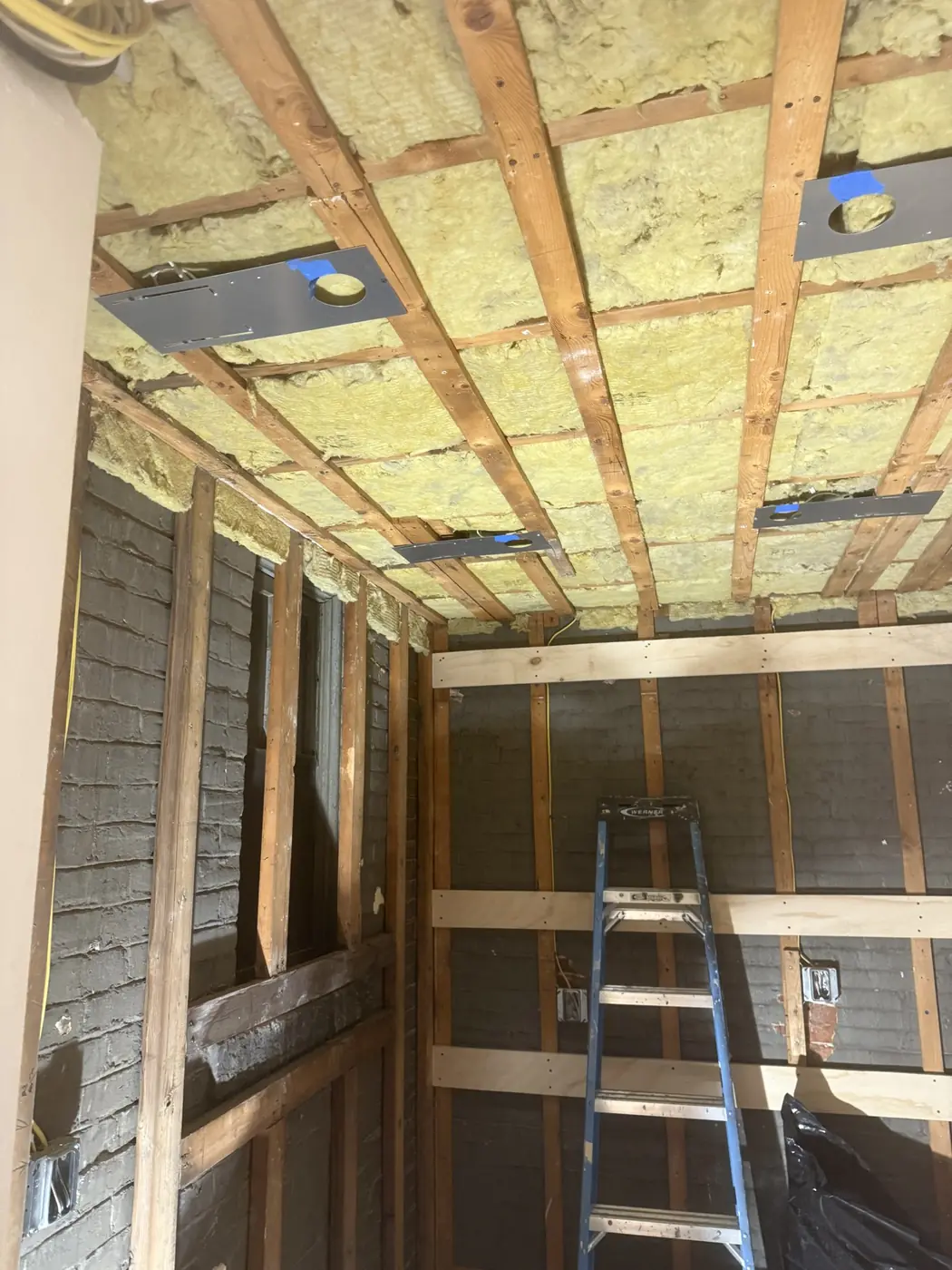
Why there is always a gap before the countertops
Stone and quartz countertops are cut to the exact cabinets in your kitchen, not to a drawing. So the fabricator measures, or templates, after the base cabinets are installed and level. Then the slabs are cut and installed. During that stretch the kitchen looks almost finished but cannot be used. Knowing that ahead of time makes it much easier to plan around.
What makes a kitchen take longer
- Changing selections after ordering.
- Moving plumbing, gas or walls, which adds rough-in and inspection time.
- Problems found during demolition, common in older Boston-area homes.
- Back-ordered items.
- Waiting on inspections.
None of these are unusual. What matters is hearing about them right away, with the new plan. Before we start, you get the start date and the order of work in writing, and if something changes, you hear it from us first.
Living through it
If you stay home during the remodel, set up a temporary kitchen in another room: the refrigerator, a microwave, a coffee maker and a folding table go a long way. We plan around it and keep the dust contained to the work area.
Cowboy General Service Inc. remodels, builds and paints for homeowners in Boston and the towns within about 50 miles of Malden, since 2006. Questions about your own house? Call or text (617) 869-2290.